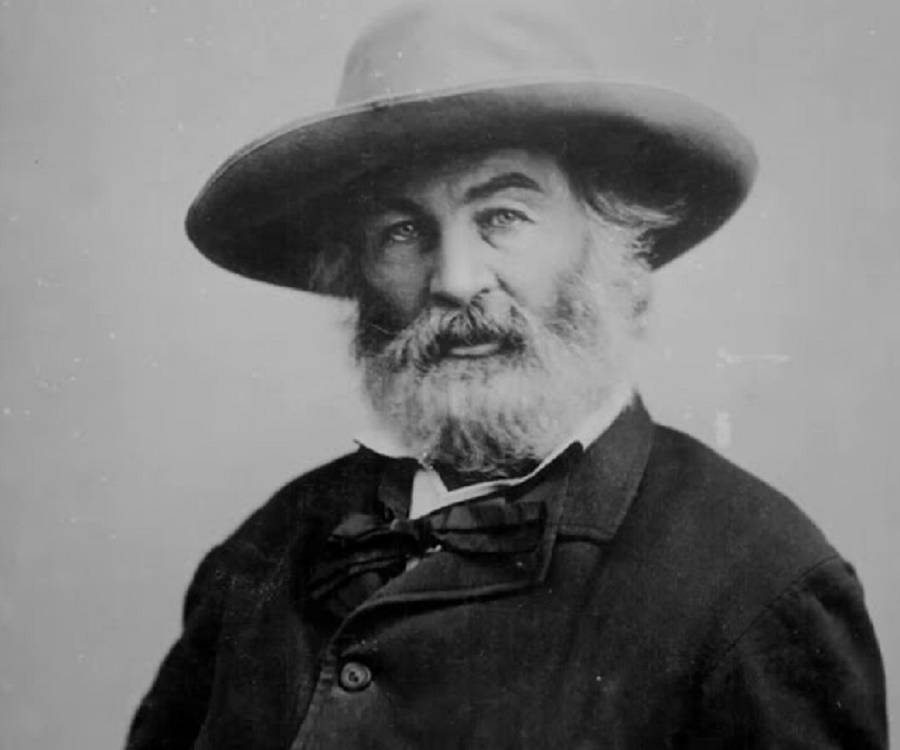
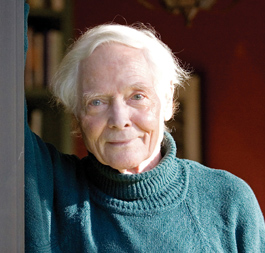
Yesterday, I watched, with treachery, the wild survivor's tale that is Touching the Void, directed by Kevin MacDonald. The structure of the documentary is part raw story-telling and part dramatic reenactment. More specifically, one part is devised of portraits of the three climbers', with each divulging their perspective of what happened; this provides the streaming narrative for the documentary. There is a calm backdrop for these moments that undoubtedly connotes that they’re safe from harm now. The other part has about it the style of amateur recording, taken in the unlikely midst of Siula Grande, a mountain in the Peruvian Andes; it is a shaky, frantic attempt at recapturing the memory of a climber, Joe Simpson, who, after falling 100 feet into the crevice of a glacier and breaking his leg, must drag himself, somehow, back to a camp that may not even be there anymore.
Aside from being simply rapt by the battle to descend the glacier (quite an apt metaphor for story-telling), I was also drawn more and more to all the juxtapositions that, intentionally or not, helped strengthen the narrative. Juxtapositions through dueling landscapes, temperaments, climates, and composition, to name a few. There's a moment near the end where Joe is experiencing what I can only surmise as actually dying (don't worry, I'm not giving anything away; clearly, Joe's beautiful and healthy face is a current, constant presence), and this is when I really started to notice a doubling taking effect: sky and mountain, snow and rock, wind and rain, man and landscape, life and death. On a more macro level, narrator and event, me and them, peril and safety, past and present.